A Research & Visual Storytelling Portfolio

The Seeds for

Tomorrow

Exploring agriculture, sustainability, and the people shaping what comes next.

Research · Fieldwork · Storytelling

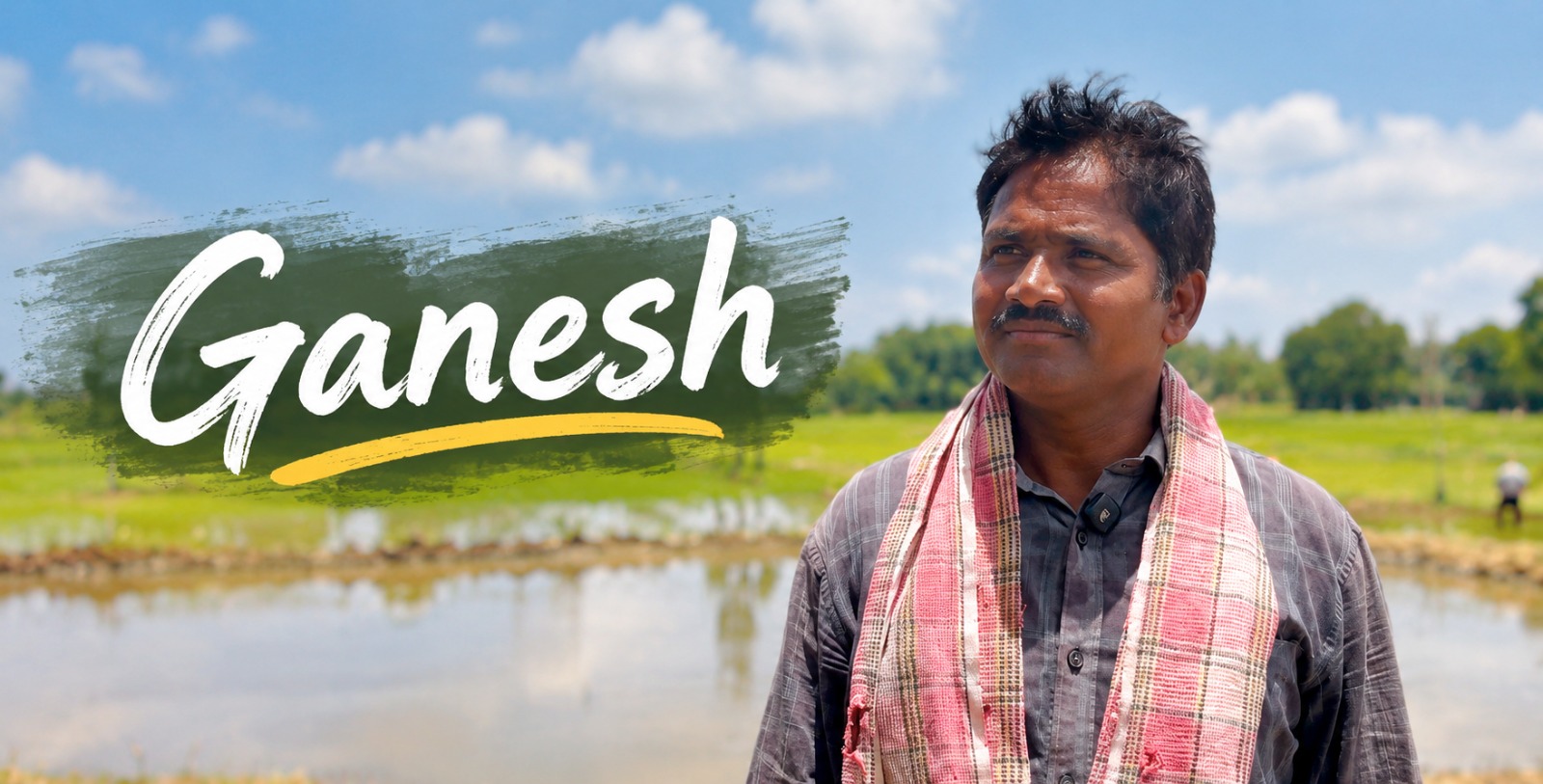
Ganesh, farmer, standing beside a flooded paddy field

Opening — The Field
Ganesh — Between Tradition and Change


Why I started this

I began with questions, not answers.

What does it cost farmers in labor, in soil, and in hope to grow the food we all depend on?

My interest started with nutrition. I became curious about what goes into the food we eat and how the way food is grown can affect both our health and the environment. As I learned more, I started looking at fertilizers and the problems they can create for the soil and the environment.

That led me to a different question: is there a better way to grow our food?

At first, I thought I would find answers by learning more about the environmental effects of fertilizers. But when I started talking to farmers, I realized the problem was much bigger than I had expected.

How can we make agriculture better for the environment without making it harder for farmers to survive?

Many farmers know that some sustainable practices could be better for the environment, but knowing that does not make them easy to adopt. Time, money, resources, and access to alternatives all shape what is actually possible for them.

I began this project wanting to understand how we could grow food in a way that is better for our health and our environment. I ended up learning that changing agriculture is not just about finding a better farming method. It is also about making sure that method is realistic for the people who have to use it.

Fieldwork · India

I went to listen.

Through conversations and footage gathered across agricultural communities in India, I spoke with people whose lives sit directly on the soil: farmers, officers, scientists.

I tried not to arrive with a thesis. I arrived with questions, and I let the answers be specific: one person, one field, one season. These are individual perspectives, not a portrait of “the Indian farmer.”

One place. A bigger question.

My interviews took place in and around Warangal, India.

India was not meant to represent every farmer or every agricultural system. It was where I had a meaningful opportunity to speak directly with farmers through my family’s connections.

That access allowed me to move beyond statistics and research papers and hear from people who make agricultural decisions themselves.

Their experiences are rooted in one region.

The question they helped me explore is much bigger.

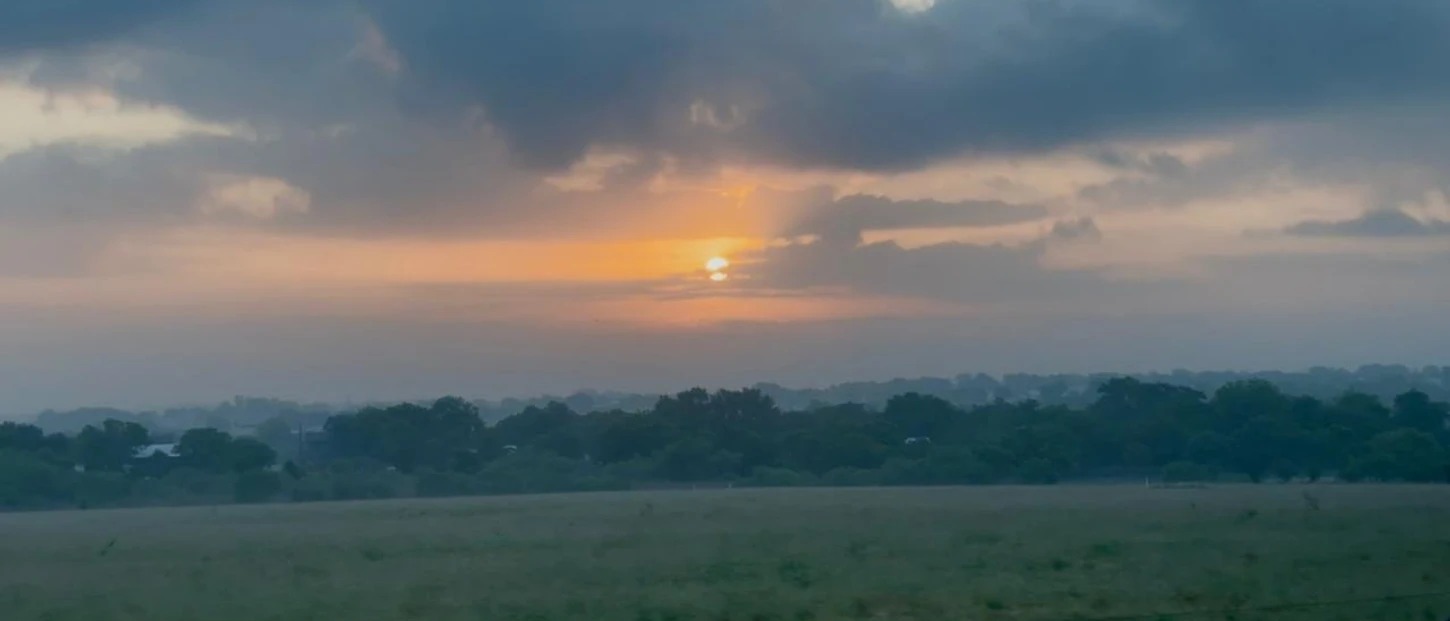
Sunrise over farmland near Warangal

How do farmers decide what is worth the risk?

worldmap

Disclaimer: These interviews are individual perspectives, not a representation of farmers globally.

In conversation

The people making the choices.

What farmers told me

I asked farmers about water, crops, fertilizer, labor, technology, costs, risk, and the changes they have seen in agriculture.

Their answers were different.

Together, they revealed how complicated a “choice” can be.

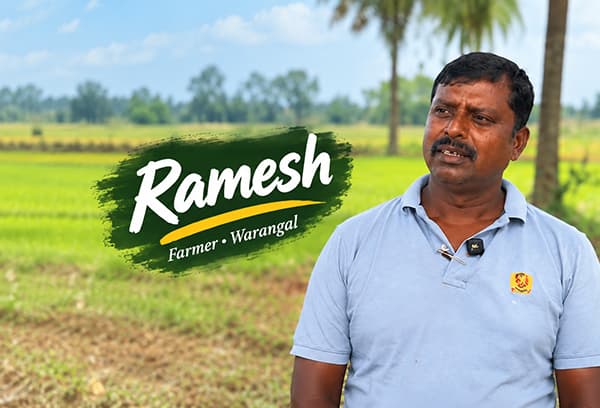
Ramesh, farmer in Warangal

Ramesh

The Farmer Weighing Risk Against Reward

Ramesh described farming as an investment, where water, weather, inputs, labor, and timing all affect whether a crop will pay off.

He also described the tension between producing a crop now and protecting the soil for later.

  • Risk
  • Water
  • Soil
  • Inputs
  • Returns
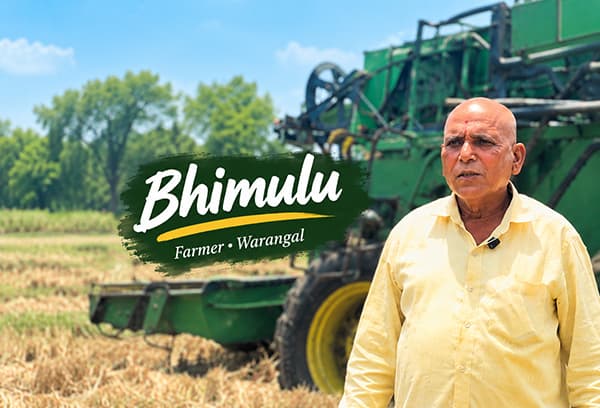
Bhimulu, farmer in Warangal

Bhimulu

When the Land Leaves No Choice

Bhimulu’s experience showed that crop choice can be shaped by infrastructure.

After his land was converted into paddy fields following the availability of reservoir water, he described how difficult it is to simply switch to another crop.

  • Land
  • Water
  • Infrastructure
  • Cost
  • Crop choice
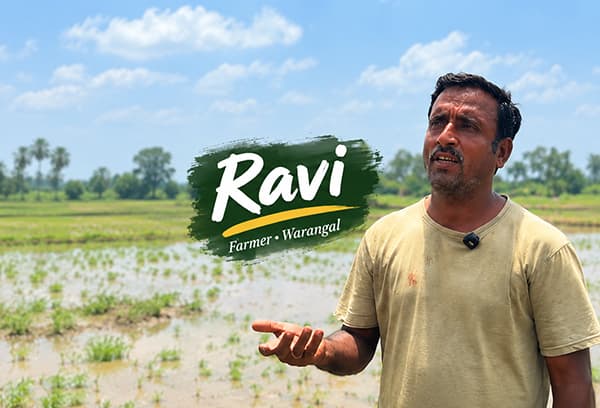
Ravi, farmer in Warangal

Ravi

The Search for a Better Crop

Ravi questioned whether farmers could move away from water-intensive paddy toward crops such as pulses and sesame.

He connected that possibility to water use, electricity, subsidies, and the returns farmers can actually expect.

  • Crops
  • Water
  • Electricity
  • Subsidies
  • Returns
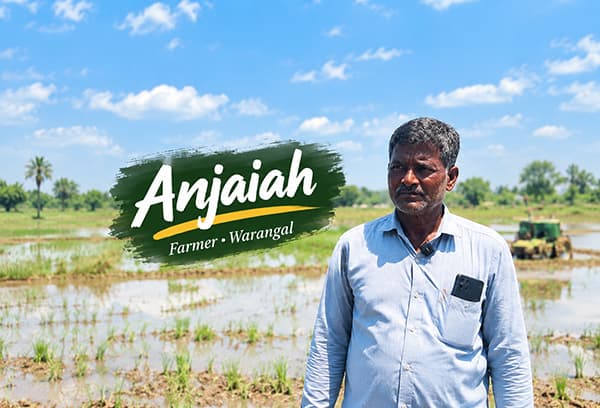
Anjaiah, farmer in Warangal

Anjaiah

When Costs Outgrow Returns

Anjaiah described rising labor and fertilizer costs alongside shrinking returns.

He also spoke about changes in farming technology and concerns about the condition of the soil.

  • Cost
  • Labor
  • Fertilizer
  • Soil
  • Machinery

Yellaiah

Planting Against Uncertain Rain

Yellaiah described how rainfall affects when farmers prepare their fields and what they choose to plant.

When water is uncertain, shorter-duration crops can become a safer option.

  • Rainfall
  • Water
  • Crop choice
  • Risk
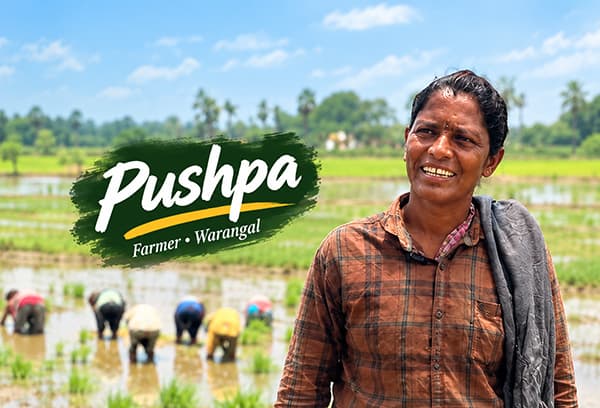
Pushpa, farmer in Warangal

Pushpa

Growing With What You Have

Pushpa described how water availability shaped her move into paddy farming and how farmers adapt to labor shortages through tools such as drum seeders.

She also described learning new practices by watching other farmers.

  • Water
  • Labor
  • Technology
  • Learning

A farmer’s choice is never just one choice.

WATER

Water availability affected what farmers could plant, when they could plant, and whether a crop could survive.

MONEY

A practice can make environmental sense and still be difficult to choose if it threatens a farmer’s ability to earn a return.

RISK

Changing a farming practice means accepting uncertainty.

KNOWLEDGE & TRUST

Farmers don’t make decisions from research papers alone.

INFRASTRUCTURE

Sometimes the question isn’t “What would be better?” It’s “What can I actually do with what I have?”

Reflection

My understanding changed shape.

I came into this project thinking about sustainability as an environmental idea: soil, water, inputs, and emissions. The farmers made me see it as a decision-making problem.

  • RameshA farmer can understand the risks of excessive fertilizer and still depend on inputs to produce a crop.
  • BhimuluInfrastructure can determine what a farmer is realistically able to grow.
  • RaviChanging crops involves questions of water, electricity, subsidies, and returns.
  • GaneshTraditional knowledge and newer technology can exist together.
  • YellaiahUncertainty can begin before a crop is even planted.
  • PushpaWater and labor can reshape a livelihood.
  • AnjaiahPressure builds when costs rise while returns shrink.

I STOPPED ASKING

“What is the most sustainable farming practice?”

And instead started asking:

“What would make a sustainable choice possible?”

One region. A question that goes further.

My interviews were local.

The question is not.

Farmers around the world work within different combinations of climate, water availability, labor, markets, infrastructure, technology, and cost.

The specific choices I heard in Warangal cannot be assumed to represent farmers everywhere.

But they helped me see something broader:

environmental decisions are also economic and human decisions.

A sustainable alternative is only meaningful if the person expected to adopt it has the resources, information, infrastructure, and ability to take the risk.

THE QUESTION I'M LEFT WITH

I started with a spinach plant.

I thought I was studying how an agricultural input could affect growth.

Instead, I ended up studying the choices behind growing food.

I don’t think there is one answer.

Sustainability looks different when you are the person paying for the fertilizer, waiting for the rain, finding the labor, watching the market price, or deciding whether you can afford to try something new.

So the question I am leaving with is not simply how we grow food more sustainably.

It is how we make sustainable choices possible.

That is the question I want to keep exploring, where science, people, and sustainability meet.


SEEDS OF TOMORROW

The future of agriculture depends not only on what we know, but on what farmers can afford, choose, and make possible.

AP Research

From the classroom to the field.

It began with an experiment.

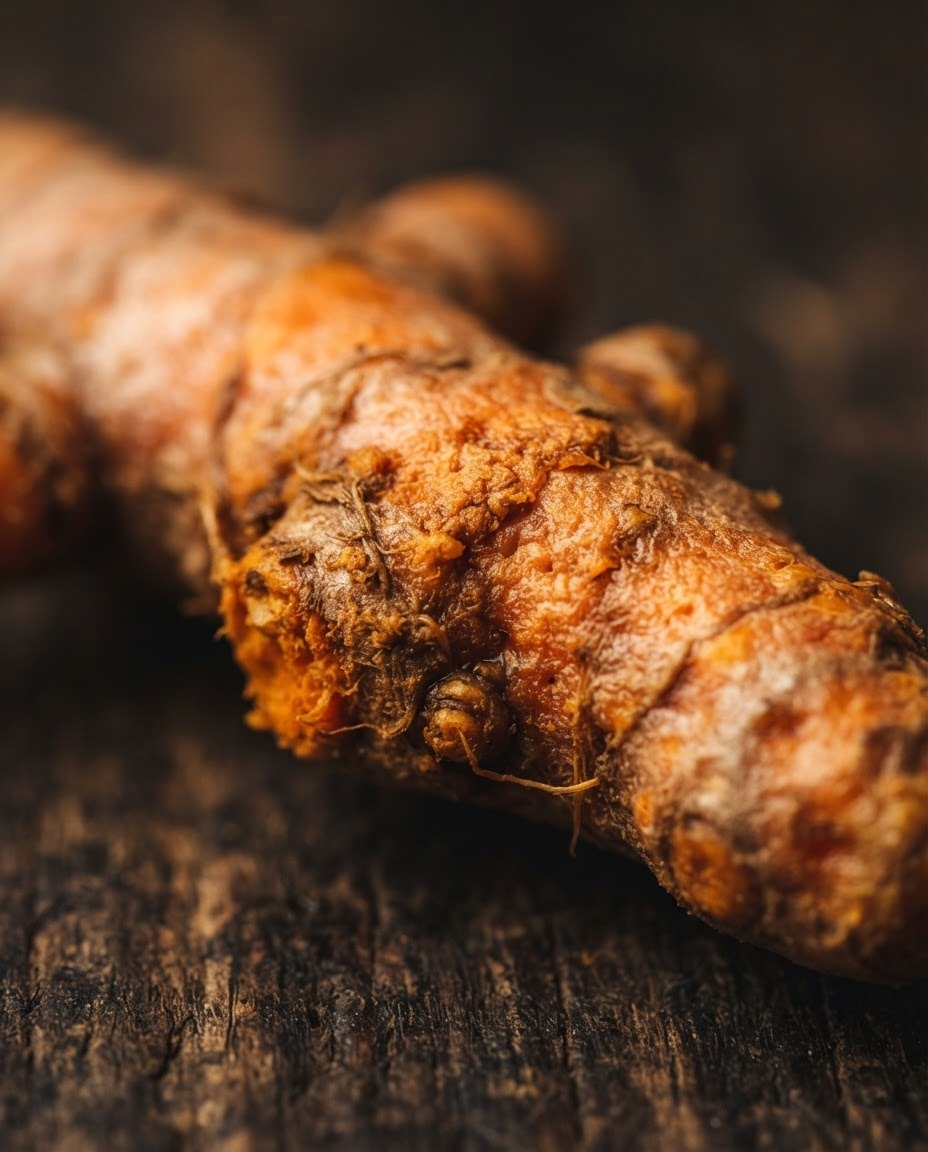
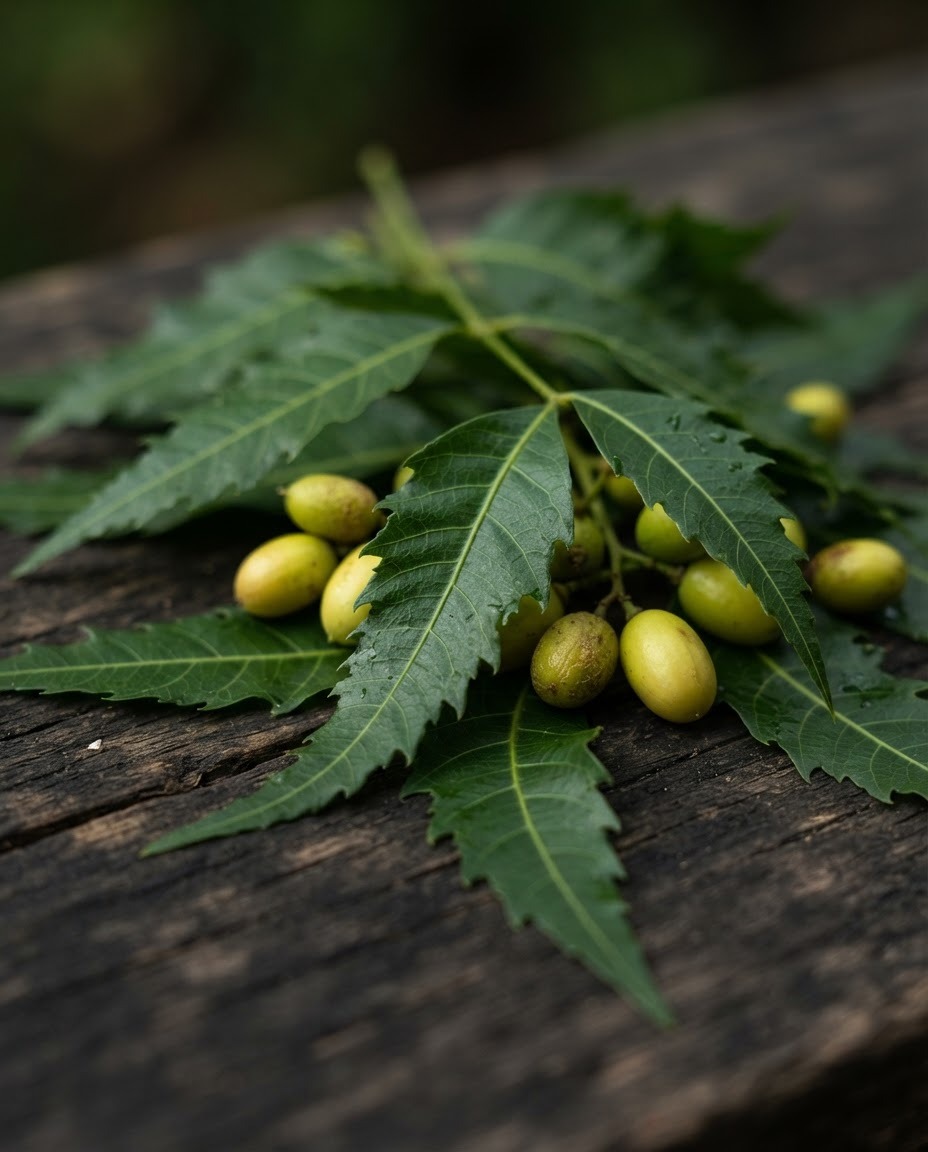
For my AP Research project, I investigated how Ayurvedic plant extracts (amla, turmeric, fenugreek, and neem) affected the growth of spinach.

I spent weeks measuring leaves, tracking growth, and comparing plants. But as I worked, a different question began to take shape:

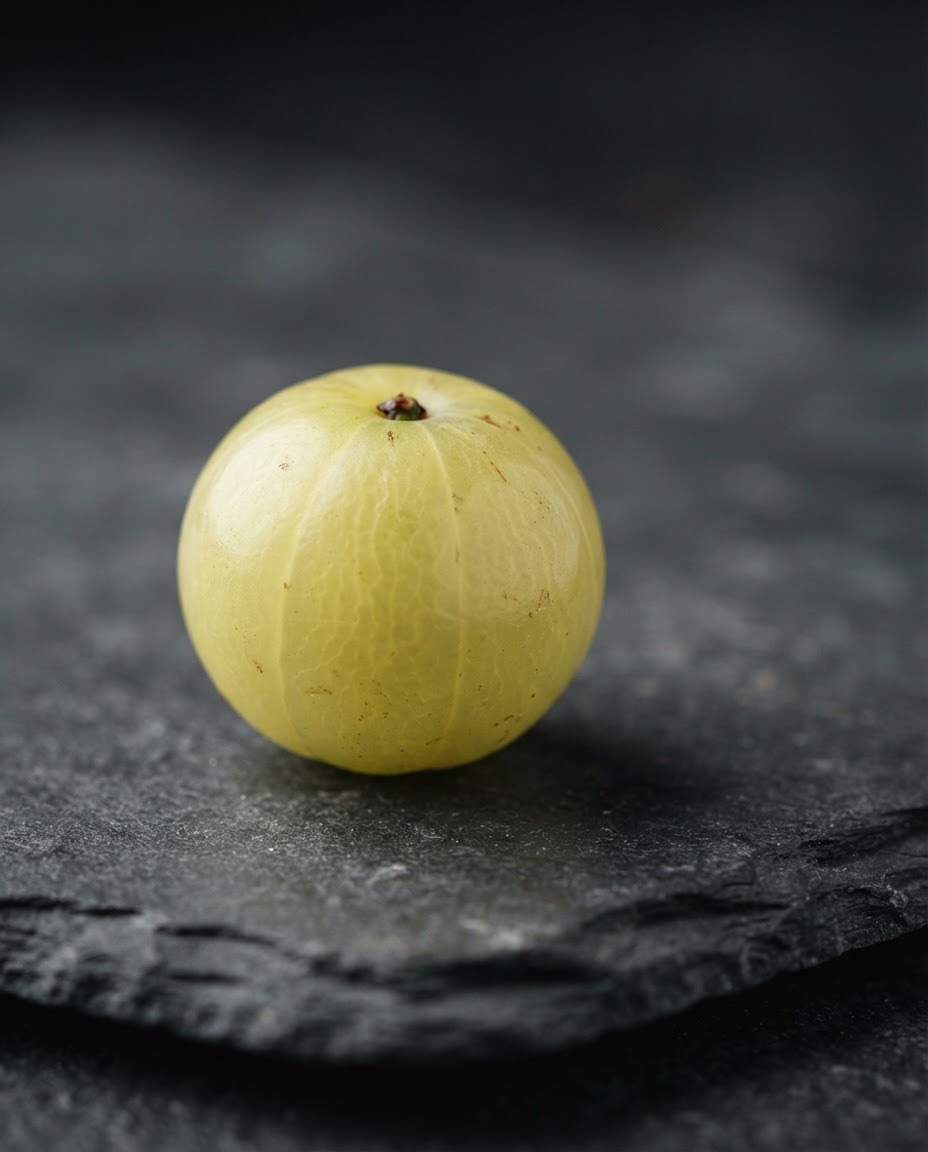
Amla
AmlaPhyllanthus emblica
Turmeric
TurmericCurcuma longa
Neem
NeemAzadirachta indica

If an agricultural input can affect how a crop grows, what determines whether a farmer would actually choose to use it?

That question pushed me beyond the experiment. I wanted to understand the decisions behind growing food: the costs, resources, risks, and constraints that shape what farmers can realistically choose.

So I moved from the classroom to the field, using conversations with farmers in and around Warangal, India, to explore a question that extends beyond one place: what makes a sustainable choice possible?

Read the AP Research paper

Sunrise over fieldsFieldwork in Warangal

About me

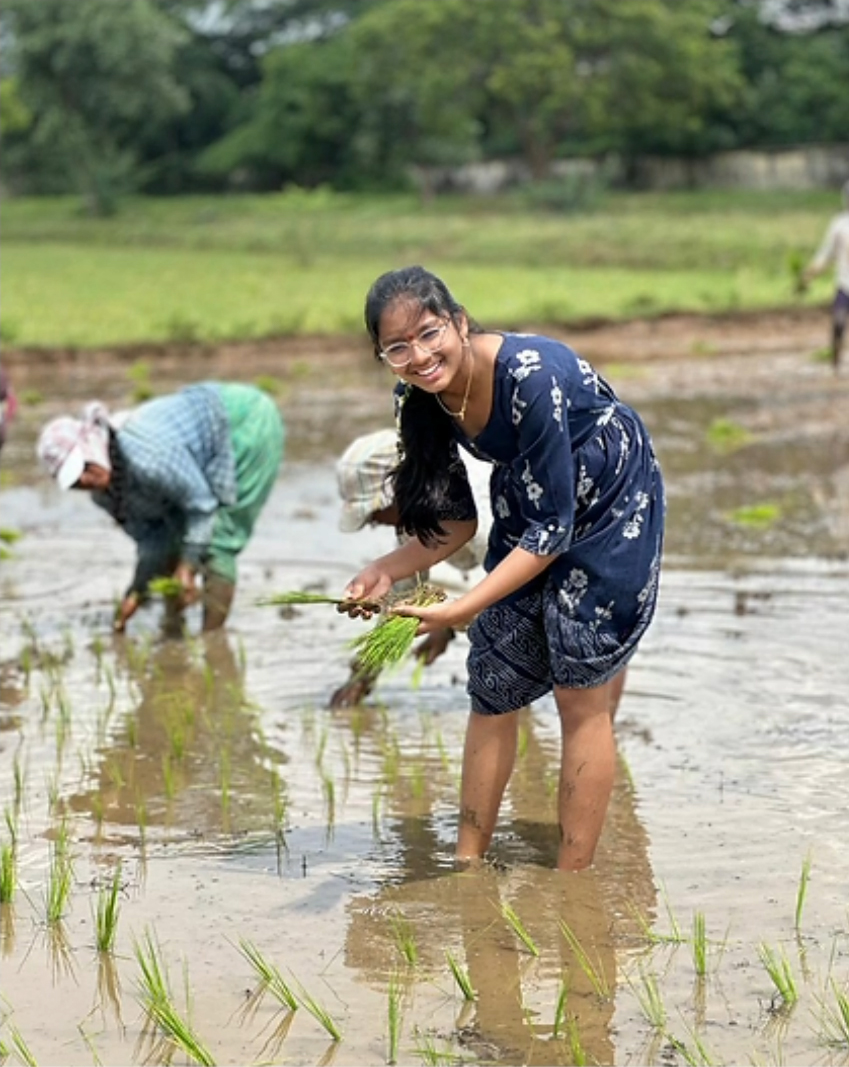
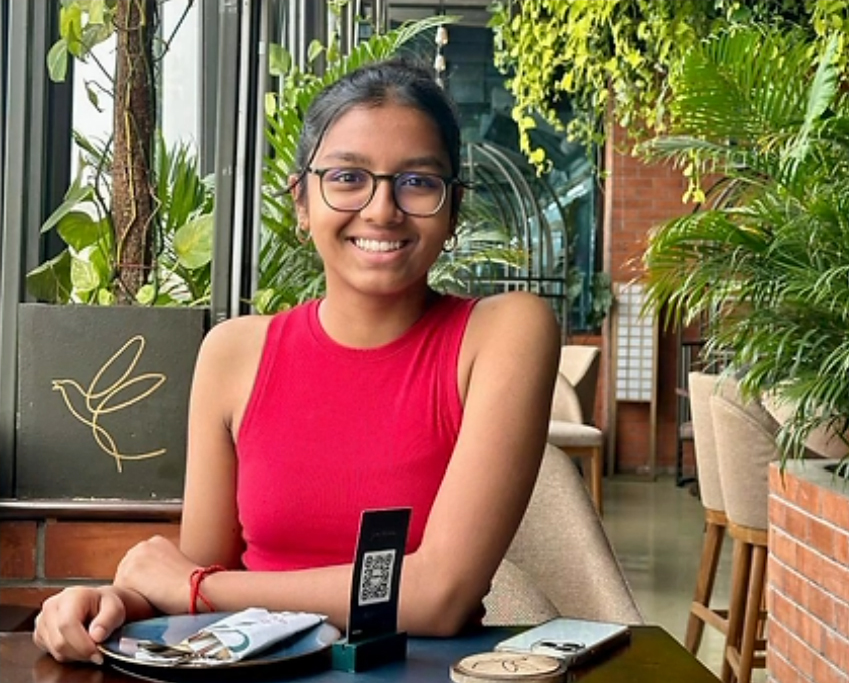
Hi, I’m Sreshta.

I’m a student, Kuchipudi dancer, artist, storyteller, and, usually, someone working on five things at once.

I’ve grown up between cultures, spent years learning and preserving Indian traditions, and found myself drawn to very different kinds of questions, from science and the environment to art, storytelling, and the experiences people carry with them.

What connects these interests for me is curiosity. I like looking a little closer at things that seem ordinary: why people make the choices they do, how traditions change, what happens behind the scenes, and what we can learn when we actually listen.

That curiosity is what led me to Seeds of Tomorrow. What began as an AP Research experiment with a spinach plant became an opportunity to step outside the classroom and listen to farmers talk about the realities behind growing food. I wanted to look beyond statistics and research papers and understand the people and decisions behind them.

This project is one part of that process: researching, asking questions, documenting what I hear, and allowing the answers to deepen the way I think.

I’m interested in the intersection of science, people, and the world around us. I want to keep using research, creativity, and storytelling to explore it.